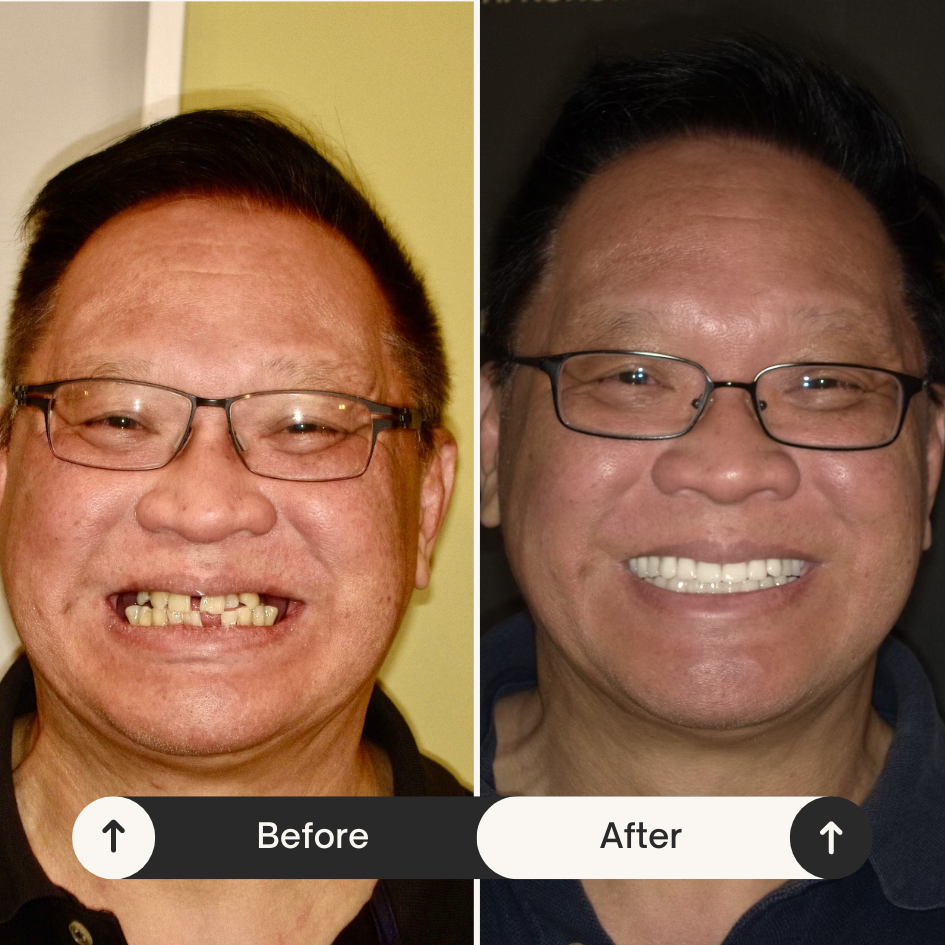
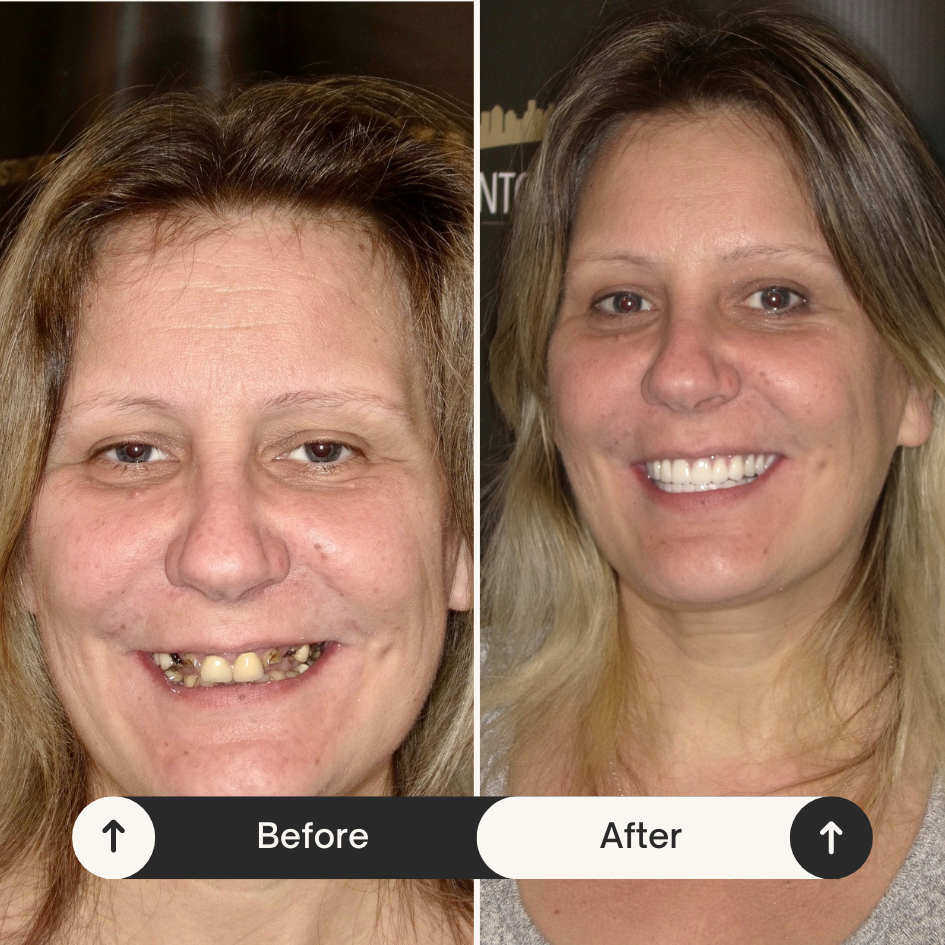
Having a great smile isn't just a good thing for aesthetic purposes. Taking proper care of your teeth and gums is an integral part of your overall health, and can make a difference in many things we often take for granted, such as eating, speaking, and living a fulfilled life without pain. In addition to our state-of-the-art cosmetic dentistry services, we perform a number of restorative dentistry procedures at the office of Dr. Konstantine Trichas, DDS, in Basking Ridge, NJ. And if you've ever felt fear or anxiety about dental procedures, we fully understand, and we make every second feel comfortable and stress-free. We even include various "dental spa" services to reduce your nervousness! For the best way to restore teeth, look no further than how Dr. Trichas and his team can help you!
Our Restorative Dentistry Services in Basking Ridge, NJ
If you're ready to restore the look of your smile, transform the structure of your teeth, and drastically improve your oral health, our restorative dentistry services performed by the team at the office of Dr. Konstantine Trichas will get you where you want to be. We offer the following restorative dental procedures to create a transformation for your teeth:
Dental implants, including all-in-four implants - an artificial tooth root is inserted into the jaw bone, where it creates a bond with your natural bone tissue over time, and can then support a crown, acting as a solid tooth. If a required full top or bottom row of teeth need replacement, an all-in-four implant procedure is performed, where four implants are inserted on the top or bottom row. These implants are typically titanium inserts that bone with your natural jaw bone, and the replacement teeth are supported by these four implants.
Denture stabilization - implants are inserted into the mouth to keep dentures in place, preventing movement of the dentures.
Dental bridges - these structures, made up of a few crowns, "bridge the gap" between missing teeth, and an artificial tooth is placed into the gap to close up the opening.
Bone grafting - designed to grow new bone in the jaw area, particularly near the gum line.
Dental bonding - soft resin that is easily shaped and polished, then hardened by a special light, is used to cover small cracks or chips in one or more teeth.
Dental crowns - a protective device capped over teeth to prevent damage, and restore teeth to normal size, function, and appearance.
Dentures - these can be either full or partial, with partial dentures used when the patient still has some natural teeth, and full dentures used when all teeth on the upper or lower side are absent.
Gum reconstruction - if there is severe gingivitis or gum recession, gum reconstruction may be necessary, involving cutting tissue from elsewhere in the mouth and grafted to the gum line to provide the needed protection provided by the gums.
Inquire About Restorative Dentistry in Basking Ridge, NJ
If chewing is difficult, teeth are missing, or you're ready to restore your teeth and overall oral health, don't wait a second longer. We offer the most advanced restorative dentistry techniques with top-notch doctor-patient communication and education in Basking Ridge, NJ. You can simply fill out our form below, explaining what you need, and we will get back to you as soon as possible. Don't let missing teeth or an unsightly smile take over your life. Dr. Konstantine Trichas and his team are here to help restore your teeth, and get you back to the life you want to live!
Dental implants have become the gold standard for replacing missing teeth, offering a permanent, natural-looking solution that improves function and aesthetics. But as you explore this advanced treatment option, a crucial question arises: are dental implants covered by insurance?
Unfortunately, the answer isn't a simple yes or no. Dental insurance can be complex, and implant coverage varies significantly depending on several factors. This comprehensive guide will delve into the intricacies of dental insurance, explain how it applies to implants, and explore alternative financing options.
Understanding whether Dental Implants are Covered by Insurance
Before delving into whether dental implants are covered by insurance, it's essential to grasp the basics of dental insurance. Most plans categorize dental treatments into three tiers:
Preventive Care: This tier encompasses routine checkups, cleanings, X-rays, and fluoride treatments. Preventive care is crucial for maintaining oral health and preventing future issues. Most insurance plans cover 80-100% preventive care, encouraging patients to prioritize routine dental visits.
Basic Restorative Care: This tier includes treatments for common dental problems like cavities and gum disease. It covers fillings, simple extractions, and root canals. Depending on your specific plan, coverage for basic restorative care typically falls between 50% and 80%.
Major Restorative Care: This tier encompasses more complex procedures to restore significant dental function or aesthetics. It includes crowns, bridges, dentures, and often, dental implants. This is where implant coverage gets murky, as plans may cover them partially, fully, or not at all.
Does Insurance cover Dental Implants?
Dental implants are often classified under "major restorative care." However, many insurance companies categorize them as cosmetic, especially when replacing teeth lost due to preventable causes like poor oral hygiene or injury.
This categorization can significantly limit coverage, leaving patients to shoulder a substantial portion of the cost.
Factors Influencing Implant Coverage
Several factors come into play when determining whether your insurance will cover dental implants:
Specifics of Your Plan: Each insurance plan is unique. It's crucial to thoroughly review your policy documents or contact your insurance provider to understand your benefits. Please don't rely on general assumptions; each plan has its own set of rules and limitations.
Medical Necessity: Some insurance plans may offer partial or full implant coverage if your dentist proves they are medically necessary rather than purely cosmetic. Medical necessity usually involves demonstrating that implants are crucial for restoring essential oral functions like chewing, speaking, or maintaining facial structure. Supporting documentation, including X-rays and detailed dental records, may be required to make a compelling case for medical necessity.
Pre-existing Conditions: Some insurance plans may exclude coverage for implants if your tooth loss is related to a pre-existing condition. This clause can be particularly frustrating for patients who have diligently maintained dental insurance over time.
Waiting Periods: Many dental insurance plans have periods before certain benefits, including major restorative care, become active. These waiting periods can range from a few months to a year. Even if your implant procedure is deemed medically necessary during this period, your insurance may not provide coverage.
Navigating the Dental Insurance Maze: Practical Steps
Deciphering your insurance coverage for dental implants can feel daunting. Here's a step-by-step approach to gain clarity and explore your options:
Read Your Policy Documents: This might seem tedious, but your policy documents contain crucial information about your specific benefits, limitations, and exclusions. Pay close attention to the sections on major restorative care and any clauses mentioning implants specifically.
Contact Your Insurance Provider: If you're unsure about your coverage based on the policy documents, contact your insurance provider directly. Have your policy number handy and ask specific questions about implant coverage, including limitations, waiting periods, and whether medical necessity applies to your situation.
Consult with Your Dentist: Your dentist plays a vital role in this process. They can thoroughly assess your oral health, determine if implants are the best solution, and explain how medical necessity might factor into your insurance coverage.
Obtain a Pre-Treatment Estimate: Request a pre-treatment estimate from your dentist before committing to any treatment. This document will outline the anticipated implant procedure cost and specify whether your insurance will cover any portion of the expense. This estimate helps you understand your financial obligations and explore alternative financing options if necessary.
Exploring Alternative Dental Implant Financing Options
If your insurance coverage for dental implants is limited or nonexistent, don't despair. Several alternative dental implant financing options can help make implants more affordable:
Flexible Spending Accounts (FSAs) and Health Savings Accounts (HSAs): These accounts allow you to set aside pre-tax dollars from your paycheck to cover eligible medical expenses, including dental implants. FSAs are employer-sponsored, while HSAs are typically linked to high-deductible health plans. Contributing to these accounts can significantly reduce your taxable income and make healthcare expenses more manageable.
Dental Financing: Many dental practices offer financing options or payment plans to make implants more accessible for patients. These plans can spread out the cost of treatment over time, often with low interest rates or deferred interest options. Ask your dentist about the financing options available at their practice.
Dental Discount Plans: These plans aren't insurance, but they provide reduced rates on various dental procedures, including implants, at participating dentists. Dental discount plans require an annual membership fee, but the savings on treatments can be substantial.
Third-Party Financing: Companies specializing in medical financing offer loans for healthcare expenses, including dental implants. These loans often have longer repayment terms and competitive interest rates, making them a viable option for patients seeking more flexible financing.
Don't Let Finances Stand in the Way of Your Smile
Dental implants offer a remarkable solution for replacing missing teeth, restoring functionality, and enhancing your smile. While insurance coverage for implants can be complex and often limited, various financing options are available. By understanding your insurance benefits, exploring alternatives, and openly communicating with your dentist, you can achieve a healthy, confident smile that lasts a lifetime.
Schedule a Consultation Today!
Don't hesitate to schedule a consultation with our experienced dental team to discuss your implant needs and explore all your financing options. We're here to guide you through every step of the process and help you achieve the smile of your dreams!
Losing teeth due to gum disease can be a devastating experience, affecting your confidence, oral function, and overall well-being. But even if you've faced the challenges of gum disease, hope for a restored smile remains. Dental implants offer a robust and lasting solution for replacing teeth lost through gum disease, providing a path to regain oral health and confidence.
Understanding the Impact of Gum Disease
Gum disease, or periodontal disease, is a chronic bacterial infection that affects the gums and supporting structures of your teeth. If left untreated, it can lead to:
Gum recession: Gums pull away from the teeth, forming pockets where bacteria can accumulate.
Bone loss: The infection can erode the jawbone, weakening the foundation that supports your teeth.
Tooth mobility and loss: As gums and bone deteriorate, teeth become loose and may eventually fall out or require extraction.
Dental Implants: A Solid Foundation for Replacement
Dental implants provide a unique advantage in cases of tooth loss due to gum disease. Unlike traditional bridges, which rely on adjacent teeth for support, implants function independently. They are surgically implanted into the jawbone, acting as artificial tooth roots. This offers several key benefits:
Restoration of Jawbone: The titanium implant stimulates bone growth, helping to prevent further bone loss and preserving the integrity of your jaw structure.
Stability and Durability: Implants fuse with the jawbone through osseointegration, providing a stable and durable foundation for replacement teeth.
Preservation of Adjacent Teeth: Unlike bridges, which often require altering healthy adjacent teeth, implants stand alone, preserving the integrity of your natural teeth.
Addressing Gum Disease Before Implant Placement
Before dental implants can be considered, any active gum disease must be effectively treated. This typically involves:
Scaling and root planing: Deep cleaning procedures remove plaque and tartar from below the gum line, and root surfaces are smoothed to discourage bacterial reattachment.
Antibiotic therapy: Medications to eliminate residual infection and promote healing.
Oral hygiene instruction: Your dentist will provide personalized guidance on maintaining excellent oral hygiene to prevent future gum problems.
To treat the underlying issue, you may also be a candidate for the LANAP procedure.
Assessing Bone Health for Implant Success
Gum disease often leads to bone loss, which can impact the success of dental implants. Your dentist will carefully evaluate your bone density and volume through X-rays and possibly a 3D scan (CBCT).
If significant bone loss has occurred, bone grafting procedures might be necessary before implants can be placed. These grafts provide the foundation needed for implant stability and integration.
Maintaining Oral Health After Implant Placement
Once your dental implants are placed, maintaining meticulous oral hygiene is crucial for long-term success. Your dentist will provide detailed instructions on proper brushing and flossing techniques to keep your implants clean and healthy. Regular dental checkups and professional cleanings are essential to monitor oral health and prevent potential complications.
Choosing the Right Dentist for Implant Placement
Choosing a skilled and experienced dentist is paramount when replacing teeth lost through gum disease. Look for a dental professional who:
Specializes in implant dentistry: Possesses advanced training and expertise in implant placement and restoration.
Addresses gum disease effectively: Has a proven track record in treating gum disease and restoring oral health.
Utilizes advanced technology: Employs cutting-edge techniques, like 3D imaging and computer-guided surgery, for precise implant placement.
Prioritizes patient education: Takes time to thoroughly explain the procedure, answer your questions, and ensure you feel comfortable and informed throughout the process.
Reclaiming Your Smile with Confidence
Losing teeth due to gum disease can feel like a setback, but dental implants offer a path to reclaim your smile and oral health.
By addressing gum disease effectively and partnering with a skilled dentist, you can experience the transformative benefits of dental implants, enjoying a restored smile that is both functional and aesthetically pleasing.
Losing a tooth can be distressing, impacting your confidence and ability to enjoy your favorite foods. Fortunately, dental implants offer a permanent, natural-looking solution to restore your smile. But the prospect of a lengthy treatment process might give you pause. That's where the question arises: Can dental implants be done in one day?
The answer, in many cases, is yes! Advancements in dental implant technology have paved the way for immediate load implants.
This revolutionary approach allows placing both the implant and a temporary crown in a single appointment. While unsuitable for every patient, this streamlined process offers numerous benefits, making it an appealing option for those seeking a faster path to a restored smile.
Understanding the Traditional Implant Timeline
Before delving into the world of one-day implants, let's understand the traditional implant process, which typically involves multiple stages spread over several months:
Initial Consultation and Planning: Your dentist will conduct a comprehensive examination, including X-rays and possibly a 3D scan (CBCT), to assess your oral health bone density, and determine the optimal implant placement.
Implant Placement Surgery: During this procedure, the dental implant, a small titanium post, is surgically inserted into your jawbone. The gum tissue is then sutured over the implant site, allowing for a period of osseointegration, where the implant fuses with the surrounding bone. This healing process typically takes several months.
Abutment Placement: Once osseointegration is complete, a small connector called an abutment is attached to the implant. This abutment serves as a base for the final crown.
Crown Fabrication and Placement: A custom-made crown, designed to match your natural teeth in shape, size, and color, is fabricated in a dental laboratory. Once ready, the crown is securely attached to the abutment, completing the restoration.
Revolutionizing the Timeline: Immediate Load Implants
Immediate load implants, or same-day implants or teeth-in-a-Day, challenge the conventional timeline, allowing for implant placement and temporary crown attachment in a single appointment. This accelerated process hinges on several critical factors:
Sufficient Bone Density and Volume: The most crucial factor for immediate loading. Adequate bone density and volume are non-negotiable, as they provide the immediate stability required for the implant to support a temporary crown. The implant might not integrate properly without sufficient bone, leading to failure. If your bone density is insufficient, bone grafting procedures may be necessary before considering immediate load implants. [Source: American Academy of Periodontology]
Strategic Implant Placement: The implant's position and angulation are vital in achieving immediate stability. Skilled dentists specializing in implant placement strategically position the implant to maximize contact with the surrounding bone, ensuring sufficient support for the temporary crown.
Implant Design and Material: Advancements in implant design, featuring enhanced surface textures and biocompatible materials like titanium, promote faster osseointegration and stability, making immediate loading more feasible. [Source: International Journal of Oral & Maxillofacial Implants]
Benefits of getting dental implants in one day
Choosing one-day implants offers several advantages:
Reduced Treatment Time: The most significant benefit is the condensed treatment timeline. You can enjoy a restored smile and improved chewing function within a day by eliminating the waiting period for osseointegration.
Fewer Appointments: Immediate load implants significantly reduce the number of dental visits required, saving you time and minimizing disruption to your schedule.
Faster Aesthetic Improvement: Receiving a temporary crown on the same day as implant placement provides immediate aesthetic enhancement, boosting your confidence and allowing you to smile freely. It's essential to understand that this is a temporary crown; a final crown will be placed after the implant fully integrates with the bone.
Streamlined Experience: Combining implant placement and temporary crown attachment into one procedure can streamline the overall experience, though it doesn't necessarily equate to less discomfort.
Are You a Candidate for One-Day Implants?
While immediate load implants offer a compelling solution, they are unsuitable for every patient. Several factors influence candidacy:
Adequate Bone Quality and Quantity: Sufficient bone density and volume are essential for providing immediate stability to the implant. This cannot be overstated.
Overall Oral Health: Good oral health, free from active gum disease or infections, is crucial for successful implant integration.
Medical History: Certain medical conditions, such as uncontrolled diabetes or autoimmune disorders, might affect healing and impact candidacy for immediate loading.
Lifestyle Habits: Smoking dramatically reduces the success rate of dental implants, often making immediate loading inadvisable. Many dentists will not perform implant procedures on smokers unless they quit. [Source: National Institutes of Health]
The Importance of Consultation and Expertise
Determining whether you're a suitable candidate for one-day implants requires a thorough evaluation by an experienced dentist specializing in implant dentistry. During your consultation, your dentist will assess your oral health, bone structure, medical history, and lifestyle habits to determine the most appropriate approach for your needs.
Choosing the Right Dentist for Implants
Selecting a highly skilled and experienced dentist specializing in implant placement is paramount for a successful outcome, particularly for immediate-load implants. Look for a dental professional with:
Extensive Training and Expertise: Opt for a dentist who has completed advanced training in implant dentistry and has a proven track record of successful implant placements.
Advanced Technology and Techniques: Choose a practice that utilizes cutting-edge technology, including 3D imaging (CBCT), for precise implant planning and computer-guided surgery to ensure optimal implant placement and minimize invasiveness.
Patient-Centered Approach: Select a dentist who prioritizes patient education, communication, and comfort, ensuring you feel informed and confident throughout the process.
Unveiling the Possibilities of Dental Implants in One Day
Immediate load implants offer a revolutionary approach to tooth replacement, providing a faster path to a restored smile and improved oral function. While not suitable for everyone, advancements in dental implant technology and the expertise of skilled dentists have made one-day implants a viable option for many patients seeking a more streamlined treatment experience.
Dental anxiety can be a significant barrier to receiving essential dental care. This post is dedicated to helping patients overcome their fears through effective strategies and understanding the support available at dental offices, particularly at Dr. Trichas’ practice.
Understanding Common Dental Fears
After working with thousands of patients, we've developed a fundamental understanding of the underlying causes behind dental anxiety and fear of procedures.
Identifying the Source of Anxiety
Fear of dental visits often stems from negative past experiences, sensitivity to a dental office's unique sounds and smells, fear of pain, or feelings of vulnerability, and lack of control while in the dental chair. Recognizing your specific fear is the first step in overcoming it.
Common Triggers
Anxiety triggers in a dental setting can vary widely. The whir of a drill, the anticipation of a needle, or the feeling of someone working in your mouth can all be anxiety-inducing. Acknowledging these triggers allows for better preparation and coping strategies.
Relaxation Techniques to Alleviate Anxiety
Sometimes, it just takes the adoption of simple relaxation techniques for a patient to get over their dental anxiety.
Deep Breathing Exercises
Deep, controlled breathing can have an immediate calming effect. Practice inhaling slowly and deeply through your nose, holding for a count of five, then exhaling slowly through your mouth.
Progressive Muscle Relaxation
Begin at your feet and work your way up, tensing each muscle group for a few seconds, then releasing. This technique can be particularly effective in the waiting room or dental chair, helping to reduce overall tension.
Guided Imagery
Visualize a serene and happy place. This mental diversion can be a powerful tool in shifting focus away from dental procedures.
This trick is as old as time itself, and guess what? In combination with other techniques, it helps patients!
Listening to Music or Podcasts
Bringing headphones to listen to calming music or an engaging podcast can help you stay relaxed and distracted from the sounds of the dental office.
How Dental Offices Can Help Through Open Communication
Open communication between the patient and the dental team is foundational in managing dental anxiety. It's important for patients to feel heard and understood. Dr. Trichas and his team prioritize building a rapport with patients, encouraging them to discuss their fears and concerns openly.
Personalized Approach Based on Patient Needs
Every patient's anxiety is unique. Some may fear pain, while others might have had traumatic past dental experiences. Understanding these individual concerns allows the dental team to customize their approach. For instance, if a patient is anxious about pain, Dr. Trichas can explain pain management and anesthesia options.
Educating Patients
Fear often stems from the unknown. By thoroughly explaining procedures, answering questions, and demystifying common dental treatments, the dental team can help alleviate fears. This might include walking through the steps of a procedure, discussing what each instrument does, or even providing a tour of the office to familiarize patients with the environment.
Empowering Patients with Control
It's crucial for patients to feel in control of their dental experience. This could involve establishing a signal to pause a procedure if the patient feels uncomfortable or allowing the patient to take breaks as needed. Dr. Trichas’ team encourages this communication, ensuring patients know they have control over their treatment.
Sensitivity to Non-Verbal Cues
Not all patients are comfortable verbalizing their anxiety. The team at Dr. Trichas’ practice is trained to recognize non-verbal signs of discomfort or fear, such as tensing up or avoiding eye contact, and will adjust their approach accordingly.
Regular Check-Ins and Follow-Ups
The commitment to open communication extends beyond the dental appointment. Regular check-ins and follow-up calls can help build a lasting relationship in which patients feel supported and are more likely to express concerns or anxieties they might have in the future.
Incorporating open communication into dental practice not only alleviates anxiety at the moment but also fosters a trusting, long-term relationship between the patient and the dental team. This approach is a cornerstone of the patient-centered care that Dr. Trichas and his team are committed to providing.
Comfortable Environment
Modern dental practices, including Dr. Trichas’, often feature a relaxing environment, with soothing decor, comfortable seating, and a warm, welcoming atmosphere.
Sedation Dentistry to Quell Dental Anxiety
Understanding that dental anxiety can be a significant hurdle, Dr. Trichas’ office offers specialized sedation dentistry. This section delves into how sedation options can transform your dental experience into a calm and stress-free one.
Expertise in Sedation
Understanding the needs of patients with dental anxiety, Dr. Trichas’ office includes a sedation specialist on the team. This allows for a variety of sedation options tailored to the individual's level of anxiety.
Types of Sedation Available
Options range from mild sedatives, which relax but keep you awake, to deeper forms like IV sedation or general anesthesia, where you're completely unaware of the procedure.
Safe and Controlled Environment
Sedation is administered by trained professionals, ensuring a safe and controlled experience. Patients often find that sedation dentistry can transform their perception of dental visits.
‘Tell-Show-Do’ Technique
This technique involves explaining procedures (Tell), demonstrating them in a non-threatening way (Show), and then carrying out the procedure (Do). It’s especially effective for alleviating anxiety.
Have No Fear - Dr. Trichas is Here!
Overcoming dental anxiety is a journey, but it's possible with the proper techniques and a supportive dental team. Dr. Trichas and his team are committed to providing patients with a comfortable, anxiety-free experience.
If dental anxiety has kept you from maintaining your oral health, we encourage you to contact Dr. Trichas’ office. Our team, including our sedation specialist, is here to make your visit as comfortable and stress-free as possible. Contact us to discuss your needs and how we can help.
Good nutrition is foundational to overall health, including the health of your teeth and gums. This is particularly important for individuals with missing teeth, dental implants, dentures, or those undergoing dental restoration procedures. This blog post delves into the connection between diet and oral health, offering tailored nutritional advice.
Understanding the Connection Between Diet and Oral Health
The health of your teeth and gums is deeply intertwined with your dietary choices. Let's break down how nutrients affect your oral health and the implications for dental restorations.
The Basics of Oral Health and Nutrition
Healthy teeth and gums rely on certain essential nutrients. We'll examine why minerals like calcium, phosphorus, and vitamins such as D, C, and A are crucial for oral health.
Nutrients for Strong Teeth: Key minerals like calcium and phosphorus in dairy products and fish are crucial for tooth strength. Vitamin D, from sources like sunlight and fortified foods, aids in calcium absorption, enhancing tooth remineralization and fighting decay.
Gums Need Care Too: Vitamins C and A are critical for gum health. Vitamin C, abundant in citrus fruits and leafy greens, strengthens your gums' blood vessels and connective tissue. In contrast, vitamin A, found in orange-colored vegetables like carrots and sweet potatoes, keeps the mucous membranes in your mouth healthy.
How Diet Affects Dental Restorations
Diet plays a significant role in the longevity and success of dental restorations. Here, we'll discuss the importance of diet in maintaining dental implants and the challenges faced with various dental procedures.
Chewing Efficiency: Choosing foods that are easier to chew can prevent undue stress on dental implants or restorations. Soft, nutrient-rich foods like smoothies and well-cooked vegetables are ideal during the initial healing period.
Preventing Implant Complications: A balanced diet aids the healing process and maintains the integrity of dental implants. Foods rich in antioxidants can help combat inflammation, supporting recovery post-surgery.
Nutritional Advice for Healthy Teeth and Gums
Foods to Embrace
Certain vital foods that are beneficial for oral health are included in a diet. Let’s explore how these foods contribute to healthy teeth and gums.
Dairy Products: Cheese can neutralize acids in the mouth, milk is an excellent source of calcium, and yogurt contains beneficial bacteria that can help maintain the balance of microflora in the mouth.
Leafy Greens: Packed with calcium, folic acid, and essential B vitamins, they contribute significantly to oral health.
Crunchy Fruits and Vegetables: Apples, carrots, and celery act like natural toothbrushes, helping to clean teeth surfaces and promoting saliva production, which neutralizes acid and helps wash away food particles.
Foods to Limit
Not all foods are friends of your teeth. Some can be pretty harmful. Here, we'll identify the foods that can negatively impact oral health and should be consumed in moderation.
Sugary Snacks and Beverages: Frequent consumption can lead to tooth decay. Sugar feeds the harmful bacteria in the mouth, producing acids that erode enamel.
Acidic Foods: Regular exposure to acidic foods like citrus fruits and tomatoes can weaken tooth enamel over time. To neutralize their effects, it's advisable to rinse with water after consuming them.
Diet Tips for Dental Implants and Dentures
Eating with Dental Implants
After getting dental implants, it's essential to modify your diet accordingly. We'll guide you through the best dietary practices during the healing process and beyond.
Soft Foods Post-Surgery: Immediately following surgery, opt for non-chewy, soft foods that don't require extensive chewing, such as oatmeal, scrambled eggs, and soups.
Gradual Transition: As healing progresses, introduce firmer foods, ensuring they are cut into small, manageable pieces to ease the transition.
Adjusting to Dentures
Navigating your diet with dentures requires some adjustments. Here, we'll cover what foods to avoid and how to chew to effectively maintain your dentures' integrity.
Avoid Sticky or Hard Foods: Chewy candies or hard nuts can be troublesome for denture wearers. They can dislodge or damage dentures.
Chewing Techniques: Chew slowly and use both sides of the mouth to stabilize dentures. Cutting food into smaller pieces can also help.
Ready to Eat Right For Your Oral Health?
Adopting a diet that supports oral health is essential, especially when dealing with dental restorations. You can maintain a healthy and radiant smile by understanding how different foods impact your teeth and gums and making informed dietary choices.
For more personalized advice on diet and dental health, or if you have specific concerns about your oral health, please get in touch with us for a consultation. We’re here to guide you on your journey to optimal dental well-being.